 Blackbird Archive
1917 Suite | “House Moves for Woman Suffrage”
HOUSE MOVES FOR WOMAN SUFFRAGE
Adopts by 181 to 107 Rule to Create a Committee to Deal with the Subject. DEBATE A HEATED ONE. Annoyance of President by Pickets at White House Denounced as “Outlawry.”
WASHINGTON. Sept. 24.—With less than two-thirds of the membership voting, the House late today adopted by 181 to 107 a special rule to create a Committee on Woman Suffrage.
Opponents of the rule attacked the creation of a new committee as entirely unnecessary, on the ground that the Judiciary Committee was amply able to handle the suffrage question and had planned to report the so-called Susan B. Anthony amendment to the House early next December.
They also declared the rule to create the committee and the formation of the committee itself were “merely a sop thrown by politicians to the advocates of a warning cause.”
The debate was a warm one from start to finish. Anti-suffrage members took advantage of the occasion to denounce the women who have picketed the White House for months past, annoying the President when he was struggling with weighty questions of the greatest moment to the nation—problems requiring his full and undivided attention.
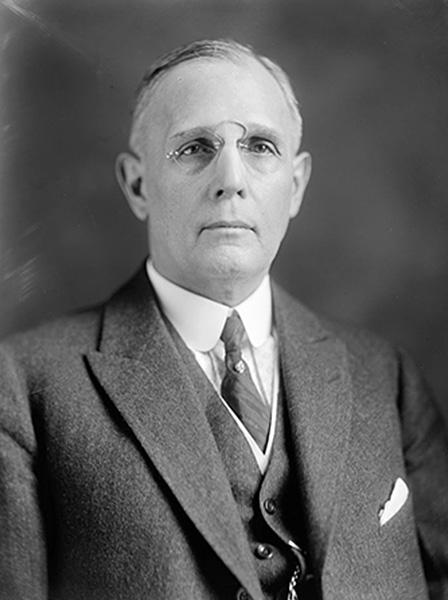
Representative Stafford of Wisconsin bluntly called the action of the pickets “outlawry.”
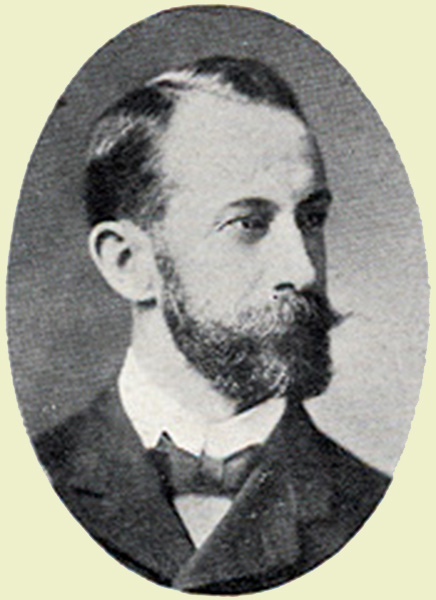
Representative Walsh of Massachusetts opposed the measure, declaring that in creating the committee the House would be yielding to “the nagging of iron-jawed angels.” and said the White House pickets were “bewildered, deluded creatures with short skirts and short hair.”
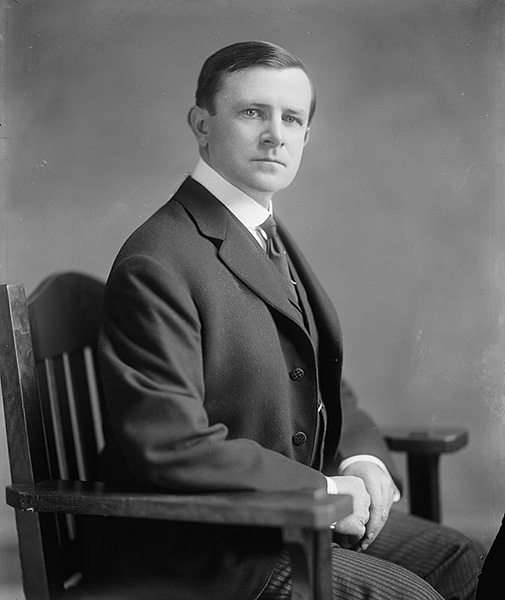
Representative Webb of North Carolina, Chairman of the Judiciary Committee, pointed to the fact that the platforms of both the Republican and Democratic Parties defined suffrage as a State matter, and one which should be settled by the State.
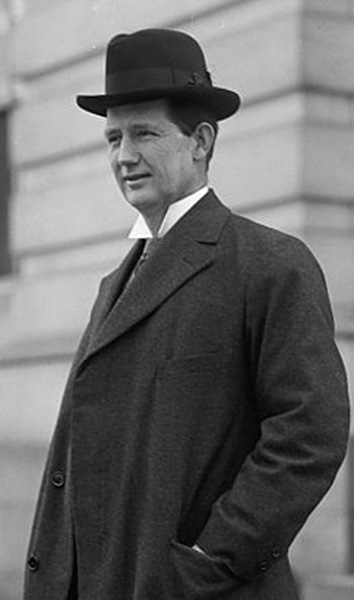
Representative Pou of North Carolina, Chairman of the Rules Committee, led the fight for the adoption of the rule. He declared that President Wilson had written him urging the naming of the committee, and when Mr. Webb said he did not think the President ever had made such a statement, Mr. Pou produced the letter. It was not read.
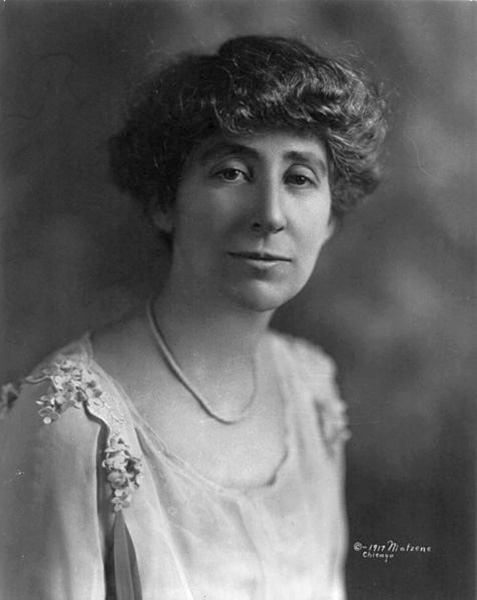
Representative Jeannette Rankin of Montana made the principal speech for the rule. She quoted the Constitutions of some of the States to show the difficulty of gaining woman suffrage State by State.
“Perhaps it is news to you to know that some of the women of the United States can never be enfranchised except by a Federal amendment.” Miss Rankin said. “Constitutions of the States are such that it is practically impossible to amend them.”
She pointed to the Constitution of New Mexico to illustrate this. “There,” she said, “to amend the Constitution, it is necessary to have three-fourths of all the votes cast and to have a majority of two-thirds in every county.”
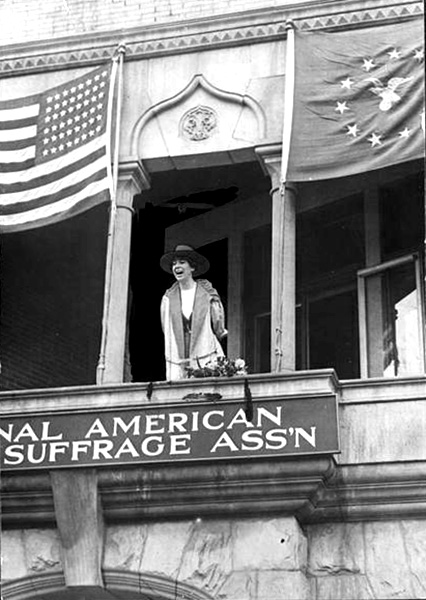
While the House was voting, four of the Woman’s Party pickets were arrested for displaying banners before the White House. They were released on bond to appear tomorrow.
Silent Sentinels and the Night of Terror
Voices from Occoquan
1917 Suite: A Month, a Year, a Term of Liberty